
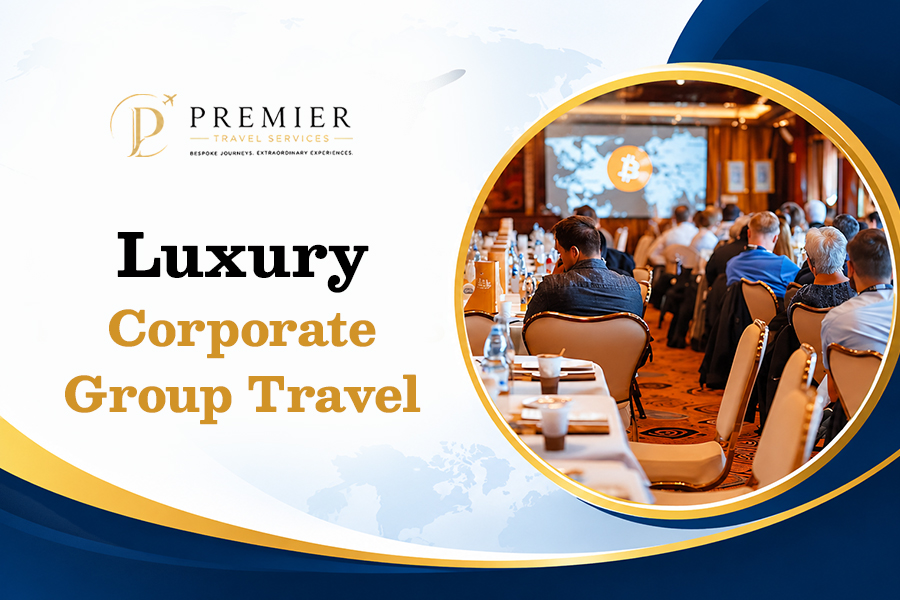
Picture a sales conference in Las Vegas with three hundred delegates. Now picture the email thread behind it: flight changes, dietary notes, a hotel block that is two rooms short, a transfer nobody confirmed. The event on the agenda is only half the job. The other half is getting everyone there, housed, fed, and back home again without drama. That second half is what international corporate group travel is really about, and it is where most plans quietly fall apart. Here is how the pieces fit together, what packages tend to include, and what to ask before you hand anyone your budget.
Why Is Luxury Corporate Group Travel Important for Modern Businesses?
Travel sets the mood for an event before anyone opens a laptop. A delegate who lands on time, finds a driver at arrivals, and walks into a proper room starts the first session sharp. One who spent an hour queueing for a taxi starts it irritated, and that carries into every conversation.
This is why luxury corporate group travel has become a serious business tool rather than a perk. It tells clients and partners that you value their time. It gives staff a reason to feel recognised. It also gives teams real space to work together, away from inboxes and meeting rooms they know too well. For senior leaders, comfort has a practical payoff: people who are not worrying about logistics pay better attention to the agenda. Strong relationships, a visible brand, and a better company culture all follow from that.
How Can Corporate Group Travel Services Simplify Business Trip Planning?
One traveller needs a flight, a room, and a transfer. Two hundred travellers need two hundred of each, and the names keep changing. Corporate group travel services exist to carry that load. One team handles arrivals, accommodation, ground transport, and the schedule, and keeps everyone informed as things move.
A solid service usually covers:
- Group flights and airport transfers
- Luxury hotels and conference venues
- Registration management
- VIP and private ground transportation
- Audio-visual equipment, stage design, and entertainment
- Gala dinners, team-building activities, and travel insurance
The real benefit is fewer handoffs. Without a coordinator, organisers chase airlines, hotels, and caterers one at a time, then try to reconcile the answers. With one, there is a single plan. When the headcount shifts or the agenda moves, which happens on almost every trip, one team adjusts all the pieces together instead of three suppliers pointing at each other.
What Should Companies Consider When Planning International Corporate Group Travel?
Crossing borders adds layers a domestic trip never has. Before committing to international corporate group travel, work through these points:
- Entry rules. Check passport validity and visa requirements for every nationality in the group. Start early, because some visas take weeks.
- Time zones. On long-haul trips, arrive a day early so the opening session is not a battle against jet lag.
- Venue fit. Match the destination and venue to the purpose, size, and style of the event. A quiet strategy session and a loud product launch need different rooms.
- Local logistics. Transfers, permits, language, and local customs all affect how smoothly the days run.
- Flexibility. Guest numbers change, schedules shift, and urgent requests appear halfway through planning. Choose a partner that adapts without losing sight of your goals.
- Lead time. For larger or international events, start several months ahead. Earlier planning opens up more choice in venues, hotels, flights, and transport, especially in busy conference seasons.
Popular international business hubs include London, Dubai, Paris, Singapore, Barcelona, and Toronto. On the US side, Las Vegas, New York, Chicago, Orlando, Scottsdale, and Nashville come up often.
How Do Executive Group Travel Services Provide a Premium Travel Experience?
Premium is not just a nice lobby. It is the sense that someone thought ahead. Executive group travel services build that feeling out of small details: luxury hotels with secure meeting facilities, VIP transportation, private dining, and quiet gaps in the schedule where nobody is rushing.
Senior travellers have little patience for friction. They expect a driver already waiting, a check-in handled before they arrive, and an agenda that respects their time. A dedicated event planning team makes that possible by running the programme from the first concept to the final departure. A travel concierge on call covers live flight changes, dining upgrades, and last-minute requests.
Balance matters as well. The strongest executive programmes mix focused working sessions with relaxed time together, because both build the trust a leadership team runs on.

Why Should Businesses Choose Professional Corporate Event Travel Planning?
Plenty of companies hand event travel to whoever has the most spare time. That works for twenty people. At two hundred it breaks. Professional corporate event travel planning puts the job with people who already know the venues, the airlines, and the timelines, so your own team can focus on the content of the event.
Go Premier Travel, for example, works in five stages:
- Consultation on business goals and who is attending
- Event objectives that define what success looks like
- Proposal and planning, including custom itineraries and registration microsites
- Event execution, with logistics and attendee management handled on the ground
- Post-event review, covering feedback and budget reconciliation
That last step is the one most in-house teams skip, and it is the one that makes next year’s event better. A professional partner also protects your budget. Early planning, side-by-side property comparisons, and clear line items leave far less room for nasty surprises.
How Can Corporate Event Travel Packages Support Business Meetings and Conferences?
A package ties the travel and the event together. Corporate event travel packages can combine accommodation, transportation, event-related travel, and curated experiences into a single itinerary, so attendees follow one plan instead of juggling separate bookings.
Sample formats show the range:
- An annual sales conference in Las Vegas, with an awards gala and a networking reception for 300 delegates
- A leadership summit in Dubai, with executive workshops and VIP experiences
- A product launch in New York, with a private reception and a media event
- A company anniversary in Hawaii, with team building and a recognition dinner
For conferences, look for packages that include venues, audio-visual support, registration, and airport transfers. For smaller meetings, ask about private boardrooms and secure connectivity. Whatever the format, get the inclusions in writing before you pay a deposit. A vague line like “event support” can mean very different things from one provider to the next.
Questions to Ask Before Booking Corporate Event Travel Packages
Brochures for corporate event travel packages all sound alike, so the questions you ask matter more than the pitch you hear. Start with these:
- Who will be my single point of contact, and are they reachable during the event?
- What exactly is included in the price, and what costs extra?
- How do you handle changes in headcount or dates?
- Which venues and hotels have you used for groups my size?
- What happens if a flight is cancelled or a transfer fails?
Clear, specific answers are a good sign. Vague ones, or a rush to sign, are worth pausing over.
Expert Tips for Planning International Corporate Group Travel
After enough of these trips, the same lessons keep coming up. A few worth writing on a sticky note:
- Set the objective first. Every choice, from the venue to the dinner menu, should serve it. If a detail does not, drop it.
- Plan with a headcount range. Revisit it every month instead of locking one number early. Rooms and seats are easier to release than to add.
- Share one master itinerary. When everyone works from the same document, the questions in your inbox drop sharply.
- Build in arrival buffers. Flights get delayed. Do not schedule anything important for the first evening.
- Keep a plan B. Know your alternatives for flights, transfers, and venues before you need them.
- Debrief afterwards. Ask attendees what worked while it is fresh, then use the answers next time.
Final Thoughts
The best corporate trips feel easy to the people on them, and that ease is built weeks earlier by someone who sweated the details. Whether you are weighing luxury corporate group travel for a leadership team or comparing corporate group travel services for a conference, the advice is the same. Start early. Define what the event must achieve. Ask for every inclusion in writing, and choose a partner who answers questions without hedging. To talk through your next event, call 888 359 1562.